Graphic design

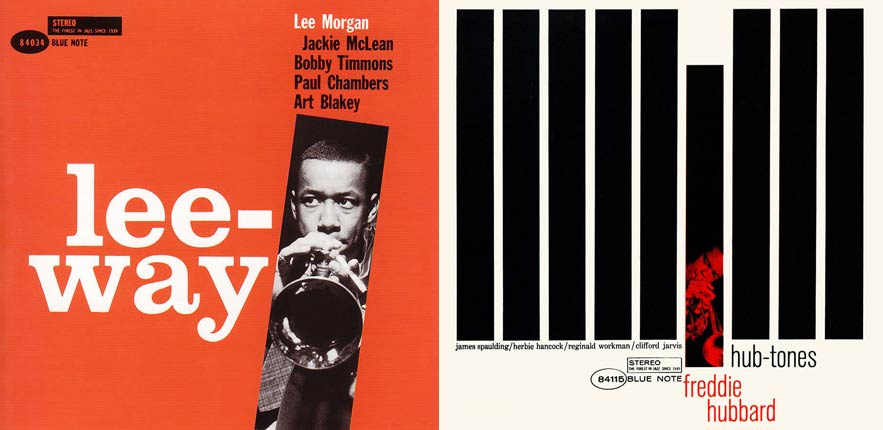
cover design by Reid Miles

Reid Miles for Blue Note – Blue jazz series

Reid Miles (1927-1993) Reid Miles is an ingenious graphic designer who worked in the 50s and 60s for Blue Note record company and created there over 500 album designs, which today are splendid examples for subsequent generations of graphic designers. Why are they so good? When talking about album cover designs it is often said […]

Reid Miles for Blue Note – Blue jazz series Read More
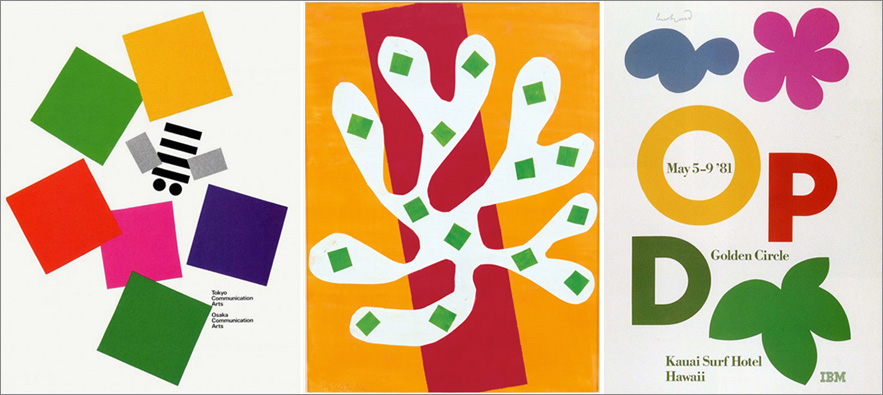
Henri Matisse vs Paul Rand – what the famous fauvist has to do with the author of IBM logo

Graphic design and painting might seem to some as distant fields of art but the truth is that artists from both sides face the same artistic problems, for instance: balanced composition, colour, scale, dominant etc. In history of art, there are instances of artists who practice completely different art styles and yet create very similar

Henri Matisse vs Paul Rand – what the famous fauvist has to do with the author of IBM logo Read More

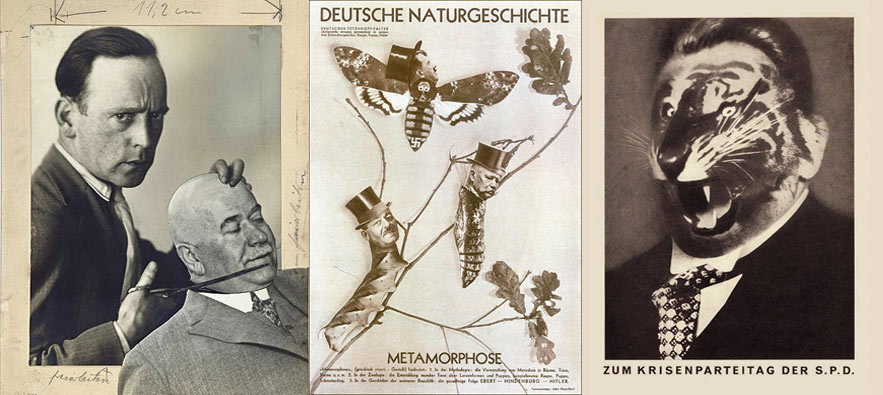
John Heartfield and the dawn of photomontage

Photomontage as an art technique was initiated and developed by Dadaists in the interwar period. Back then, it proved to be the perfect tool for expressing rebellious moods and political critique. One of the first and at the same time most important artists using this technique was John Heartfield. He was German, his real name

John Heartfield and the dawn of photomontage Read More

Polish designer for Penguin Books – the green crime series by Romek Marber

Classical covers of the British publishing house Penguin has for good settled in the history of graphic design. Romek Marber has a significant part in this great achievement, a Polish designer who in 1960s created for Penguin one of the most popular crime book series. Marber was born in 1925 and after the War he migrated

Polish designer for Penguin Books – the green crime series by Romek Marber Read More

Avant-garde inspirations – Kraftwerk, Franz Ferdinand and Laibach

The avant-garde art of the 1920s has had tremendous influence on the development of graphic design. You can find these inspirations in today’s rock music videos as well. Below, I chose a few examples which I personally find the most interesting. In the 70s in Germany a music genre called Neue Deutsche Welle (New German

Avant-garde inspirations – Kraftwerk, Franz Ferdinand and Laibach Read More

The meaning of line directions in art – horizontals, verticals, diagonals

When painting or composing any project one should consider that different compositional layouts evoke different effects on the viewer and might evoke different connotations. The dominance of horizontal lines in a painting or a graphic design project symbolizes peace, stagnation, melancholy or even sadness. This results from subconscious association of horizontal position with sleeping, retirement

The meaning of line directions in art – horizontals, verticals, diagonals Read More

Polish and international posters – an interview with professor Mieczyslaw Wasilewski

I have known professor Wasilewski for 20 years. In a recent, exclusive to retroavangarda.com interview he talks about his art, art-related travels, poster design around the world and the state of Polish poster. Anna Kłos: For many years you’ve been in the Program Council as well as among the members of the Organizing Committee of

Polish and international posters – an interview with professor Mieczyslaw Wasilewski Read More

Jamie Reid and the Punk Rebellion

In the first half of the 70s Great Britain saw the rise of an underground subculture, which turned the graphic design of that time upside down. Punk movement took over fashion, music and visual arts and quickly spread to other countries. Its trademark were ragged clothes, Mohawk hairstyle and rowdy music. Sex Pistols is said

Jamie Reid and the Punk Rebellion Read More

Dada as a worldview

“To think that Dada will ever die is an absurd. Dada will always emerge anew one way of another, always when too much stupidity has amassed” Kurt Schwitters Schwitters was right – Dada isn’t dead. It survived because dadaism is not just another art movement – dadaism is an attitude, a worldview. Dada came into

Dada as a worldview Read More

Scroll to Top